
Understanding the pH scale in floor cleaning: acid, neutral, and alkaline
2/16/20262 min read
What Is the pH Scale?
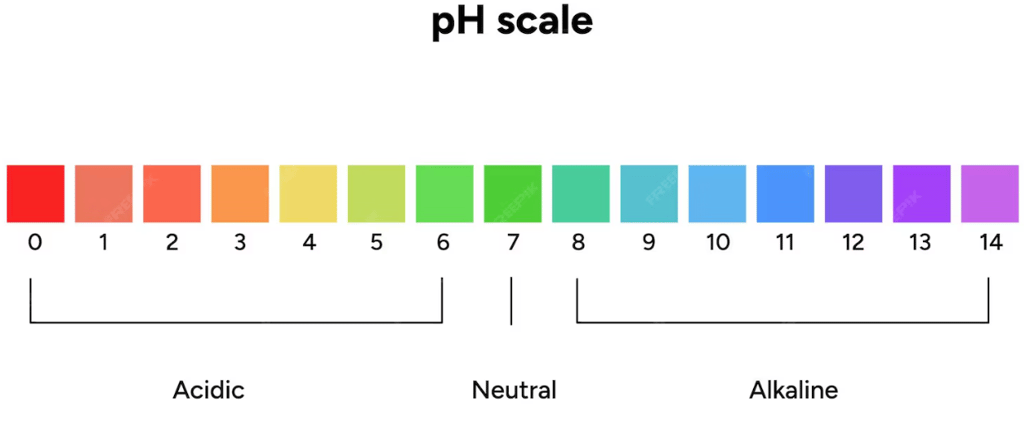
The pH scale measures how acidic or alkaline (basic) a solution is. It ranges from 0 to 14:
0-6 → Acidic
7 → Neutral
8-14 → Alkaline (Basic)
Each number represents a tenfold difference in strength. That means a cleaner with a pH of 10 is ten times more alkaline than a pH of 9.
When it comes to professional floor cleaning, choosing the right product is not just about brand or scent, it’s about pH.
Understanding the acid–neutral–alkaline scale can make the difference between properly cleaning a surface and permanently damaging it.
In this article, we’ll break down how the pH scale works and how it applies to tile, grout, natural stone, carpet, and other flooring materials.
Acidic cleaners (pH 0-6)
Best for:
Removing mineral deposits
Breaking down calcium buildup
Eliminating rust stains
Post-construction grout haze
Acidic cleaners are powerful and effective against inorganic materials like scale and efflorescence. However, they must be used carefully.
⚠️ Warning: Acidic products can damage:
Marble
Limestone
Travertine
Other calcium-based natural stones
Using an acid cleaner on these surfaces can cause etching (dull marks) that require professional polishing to repair.
Neutral Cleaners (pH 7)
Best for:
Daily maintenance cleaning
Sealed tile and grout
Natural stone floors
Hardwood and delicate surfaces
Neutral cleaners are the safest option for routine cleaning. They effectively remove light dirt and dust without stripping sealers or damaging sensitive materials.
For most homes, a neutral cleaner is the ideal maintenance solution between deep professional cleanings.
Alkaline Cleaners (pH 8–14)
Best for:
Grease removal
Oil-based stains
Food residue
Heavy soil buildup
Alkaline products are excellent at breaking down organic materials like oils, fats, and grime. That’s why they are commonly used in kitchens, commercial settings, and heavily soiled tile and grout.
Stronger alkaline cleaners (high pH) are often used in professional deep cleaning processes to restore heavily soiled grout lines.
⚠️ Overuse can:
Leave residue if not rinsed properly
Dull certain finishes
Weaken sealers over time
Why pH matters for floor cleaning
Using the wrong pH product can:
Damage natural stone
Strip protective sealers
Discolor grout
Reduce the lifespan of flooring
Lead to costly repairs
Professional cleaners select products based on:
Surface material
Type of soil (organic vs. inorganic)
Condition of the floor
Presence of sealers
It’s not just about cleaning, it’s about cleaning correctly.
Quick Reference Guide
Water spots or mineral buildup? Mild acidic cleaner (stone-safe if needed)
Daily floor maintenance? Neutral cleaner
Greasy kitchen tile? Alkaline cleaner
Natural stone? Always start with neutral
When in doubt, consult a professional. The right pH makes all the difference.